

Learning Agility: The Essential Human Upgrade for the AI Age
(Or: Why Being a Know-It-All Is So 2023)

Remember when your biggest learning challenge was remembering where you saved that important file? (Spoiler: It was in the 'misc' folder. It's always in the misc folder.)
Today, I had to:
Learn three new AI tools
Figure out why Alexa keeps misinterpreting 'set timer' as 'play Despacito'
Explain to my teenager why my learning style isn't "totally ancient"
- All before lunch.
Welcome to 2025, where your freshly minted certification becomes vintage faster than your iPhone, and AI can access and apply knowledge faster than you can say "but I'm the expert here!"
The Knowledge Party Is Over
(And AI Brought Receipts)
Let's address the elephant in the room:
Knowledge isn't power anymore.
It's just... Google. Or ChatGPT. Or whatever AI system just launched while you were reading this sentence.
Think about it:
Knowledge retention? AI wins
Information processing? AI wins
Pattern matching? AI wins
Application of known solutions? AI wins
That obscure fact you memorized in college? Yeah, AI knows that too
(Your brain has left the chat 🧠)……
So What's Left for Us Humans?
Learning agility: The ability to learn new skills fast. Not just collecting knowledge like Pokémon cards, but actually developing new capabilities.
Quick check: When was the last time you learned a genuinely new skill?
(No, finally figuring out your TV's remote doesn't count.)
What's a Skill Anyway?
(Because watching YouTube tutorials isn't quite it)
A skill is:
Something you can DO, not just know about
Requires practice, not just understanding
Changes how you interact with the world
Makes you capable of new actions
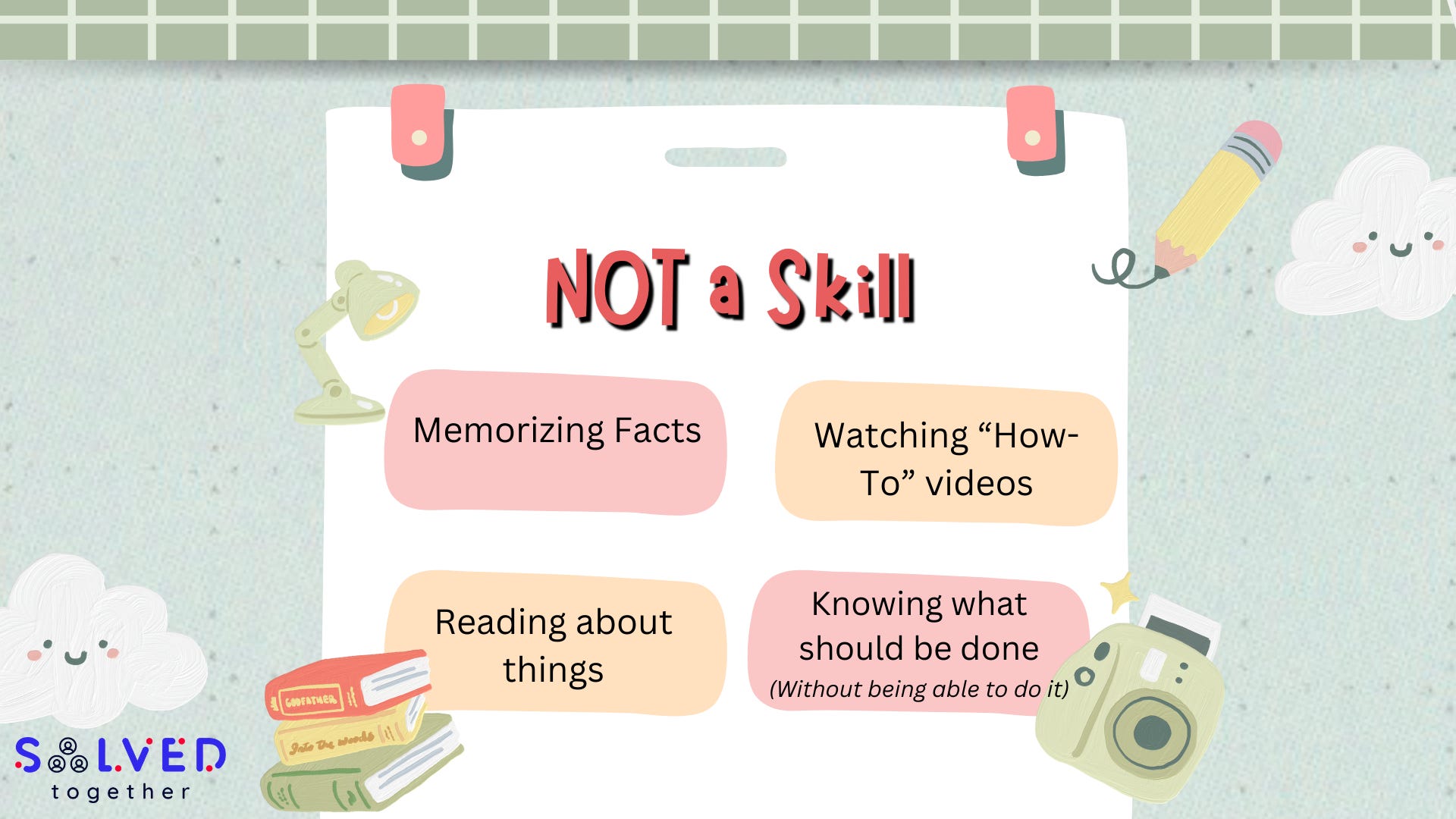
Not a skill:
Memorizing facts (AI's got that covered)
Watching "how-to" videos (Still in the knowledge zone)
Reading about things (That's just fancy procrastination)
Knowing what should be done (Without being able to do it)
The Great Learning Plot Twist
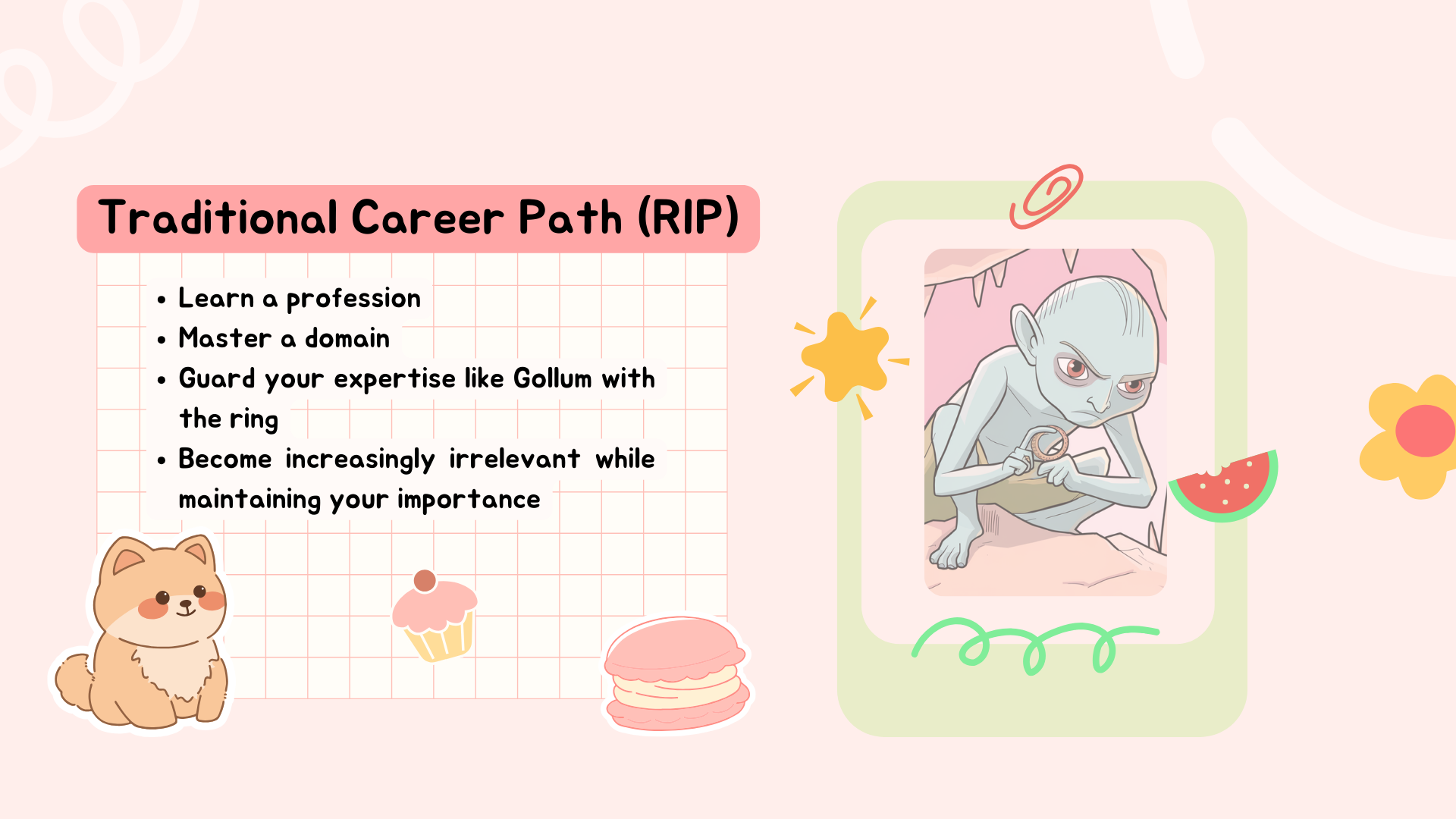
Traditional Career Path (RIP):
Learn a profession
Master your domain
Guard your expertise like Gollum with the ring
Become increasingly irrelevant while maintaining your importance
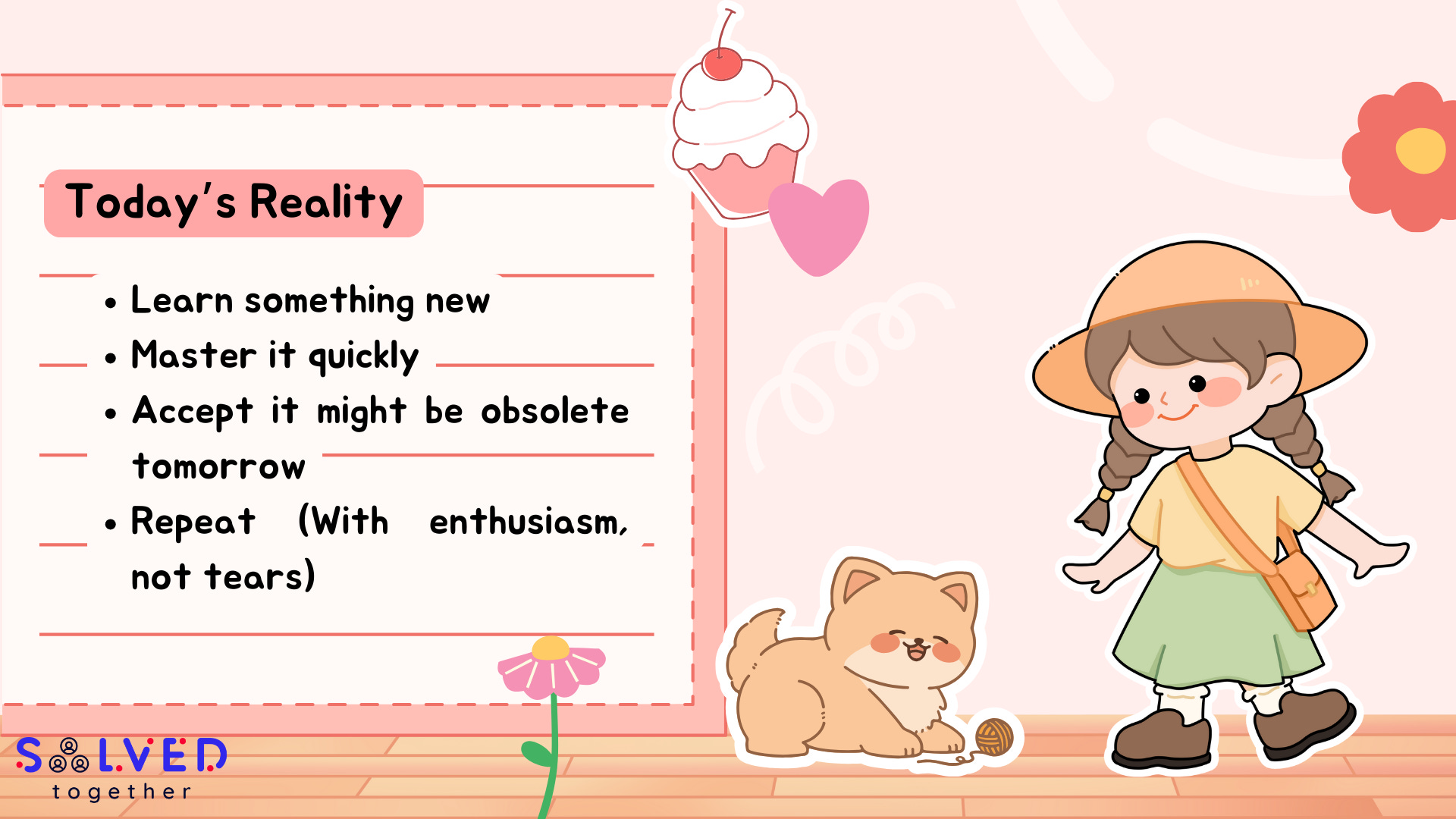
Today's Reality:
Learn something new
Master it quickly
Accept it might be obsolete tomorrow
Repeat (With enthusiasm, not tears)
Learning Agility: Not Actually New
(Just Newly Essential)
Here's a fun fact: Learning agility isn't some newfangled concept invented by tech bros. Our ancestors were pretty good at it too.
The Original Learning Agility All-Stars:
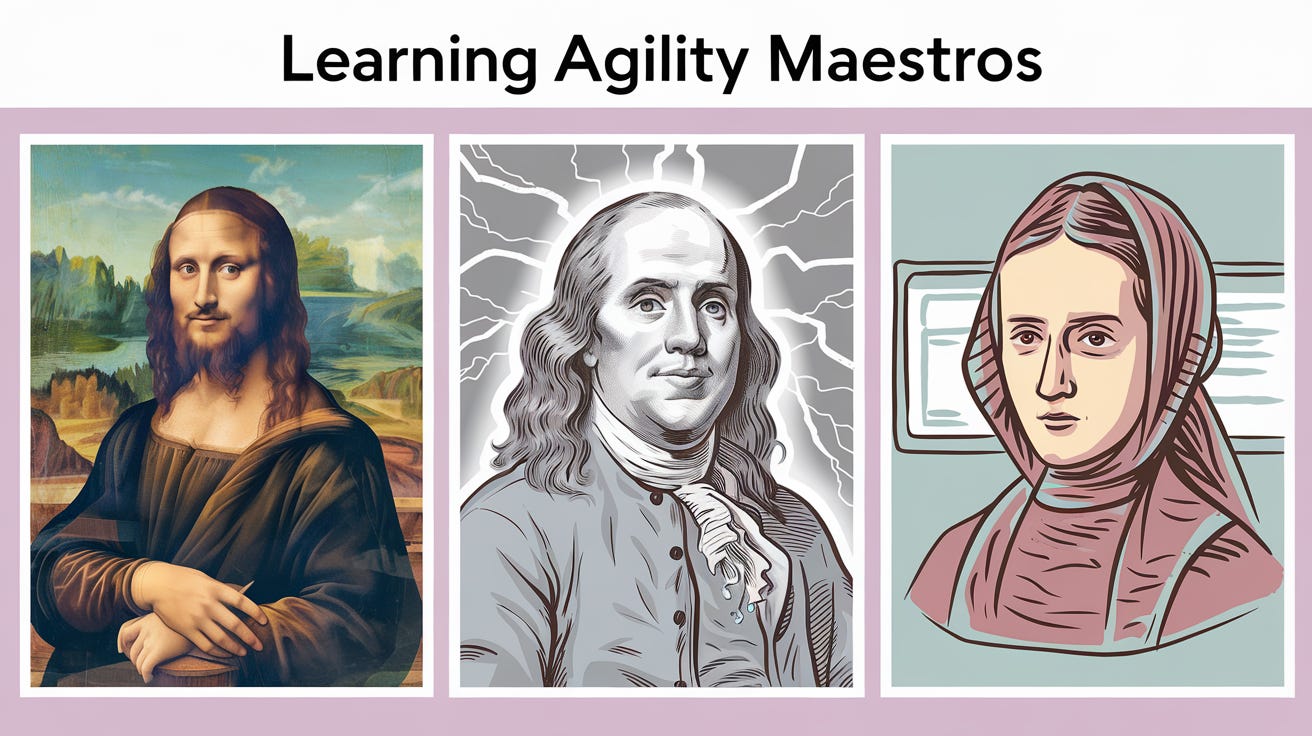
Leonardo da Vinci:
Monday: Painting masterpieces
Tuesday: Inventing flying machines
Wednesday: Revolutionizing anatomy
Thursday: Just casually inventing new branches of science
Friday: Making other renaissance artists feel bad about their productivity
Benjamin Franklin: The original "pivot or die" champion, went from printer to writer to scientist to diplomat to inventor without a single LinkedIn course certificate.
Ada Lovelace: Turned her poetry background into computer programming before computers existed. (Talk about being ahead of the curve!)
But here's the twist:
Back then, these people were considered exceptional geniuses.
Today? This kind of learning agility is becoming as essential as knowing how to use a smartphone.
Your Brain: The Original Learning Machine
(That Needs a Software Update)
Some fun neuroscience for you:
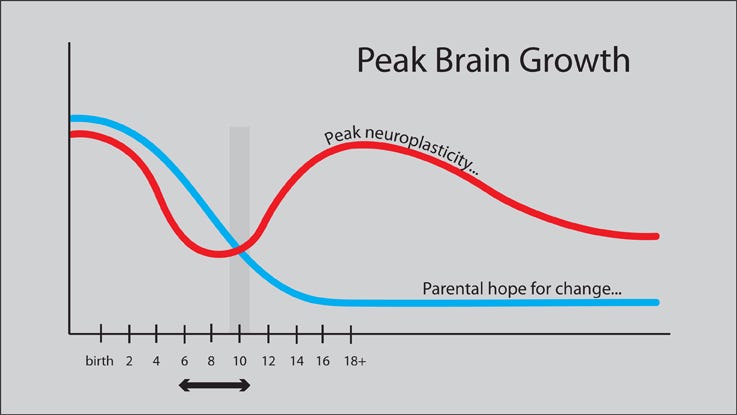
Your brain's neuroplasticity peaks before 25
After that, it starts declining
Unless... you keep learning new skills
It's like your brain is a "use it or lose it" gym membership, except:
The membership fee is paid in curiosity
The equipment is any new skill you want to learn
The gains are measured in neural pathways
The Child-like Superpower
Remember when you were a kid and could learn anything?
New language? Sure!
Musical instrument? Why not!
Complex social dynamics of playground politics? Master level!
That wasn't magic. That was peak neuroplasticity.
The good news? You can maintain similar levels of neuroplasticity by:
Continuously learning new skills
Embracing the beginner's mindset
Being okay with being terrible at things (temporarily)
The Four Elements of Learning Agility
(No, not fire, water, earth, and air - though wouldn't that be easier?)
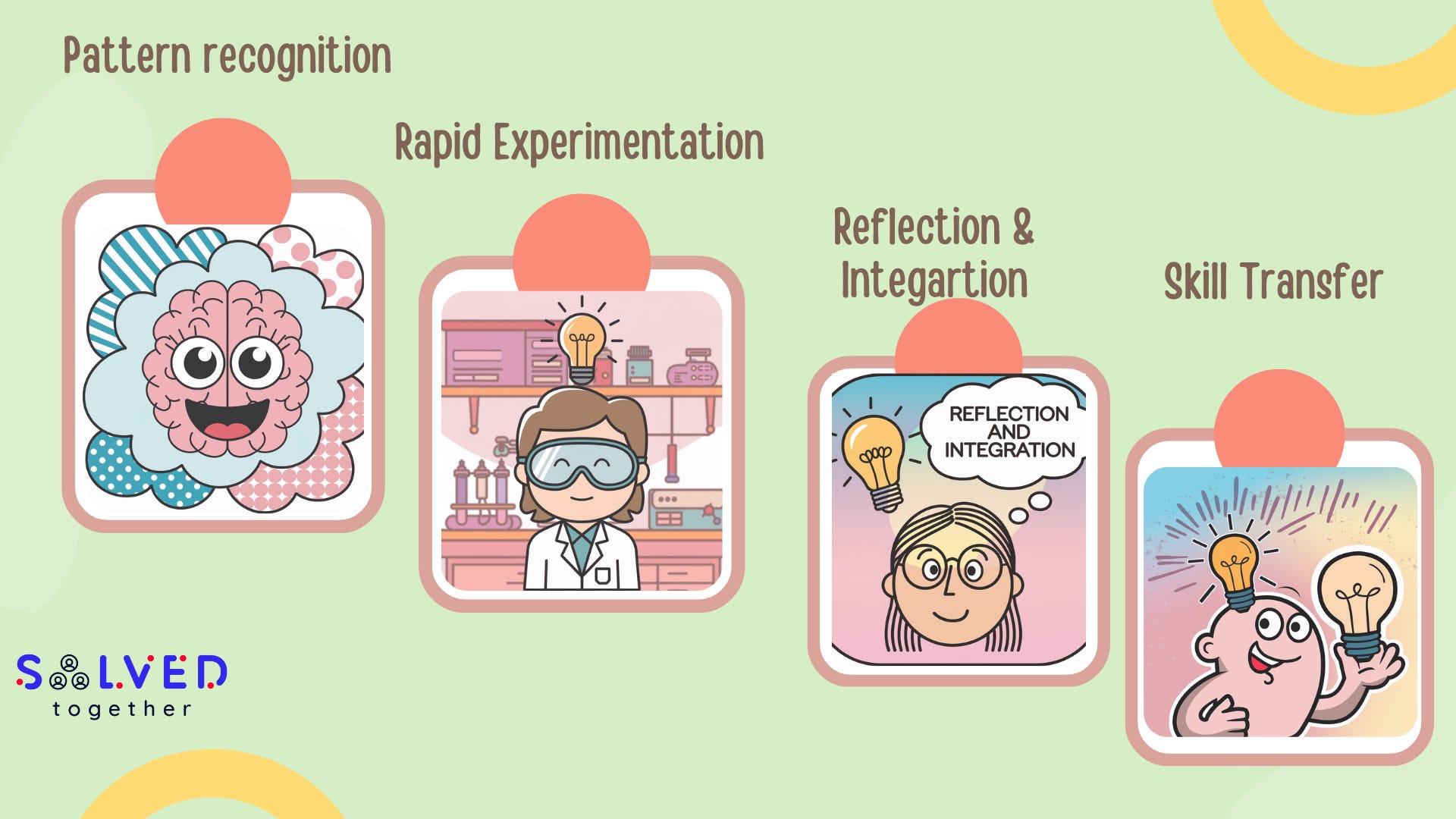
1. Pattern Recognition: The Human Edge
While AI might be better at processing data, we humans have a unique superpower: making weird, wonderful, and sometimes wildly useful connections across completely different domains. It's like having a brain that plays Six Degrees of Kevin Bacon, but with skills and solutions instead of movie stars.
Ever noticed how project management skills mysteriously help with planning a wedding? Or how learning to cook makes you better at chemistry? That's pattern recognition in action. It's about seeing the invisible threads that connect seemingly unrelated skills and experiences.
2. Rapid Experimentation: Failing Forward with Style
Think of rapid experimentation as your personal innovation lab. It's not about getting things right the first time (or the second, or the fifteenth). It's about making each failure cheaper, faster, and more informative than the last.
The magic formula? Small experiments + Quick feedback + Rapid adjustments = Learning at warp speed
It's the difference between: "I spent six months learning the wrong thing perfectly" and "I spent six days figuring out exactly why that was the wrong thing to learn"
3. Reflection and Integration: Professional Overthinking with Purpose
This isn't just staring into space contemplating your learning journey (though that's a great start). It's about actively processing experiences and connecting them to your existing knowledge framework. Think of it as your brain's version of Marie Kondo – but instead of asking "does this spark joy?" you're asking "how does this connect to everything else I know?"
Make reflection a daily habit:
What patterns am I seeing?
How does this connect to what I already know?
Where else could this be useful? (Yes, you can do this while pretending to pay attention in long meetings. We won't tell.)
4. Skill Transfer: Your Brain's Copy-Paste Function (But Make It Fancy)
This is where the magic happens. Skill transfer is about taking what you've learned in one context and applying it somewhere completely different. It's like realizing your gaming skills make you better at data analysis, or your social media addiction actually taught you valuable content strategy skills.
The key is understanding the underlying principles rather than just the surface-level applications. Once you get this, you'll start seeing opportunities for skill transfer everywhere.
Building Your Learning Gym
(Because Your Brain Needs More Than Just Coffee)
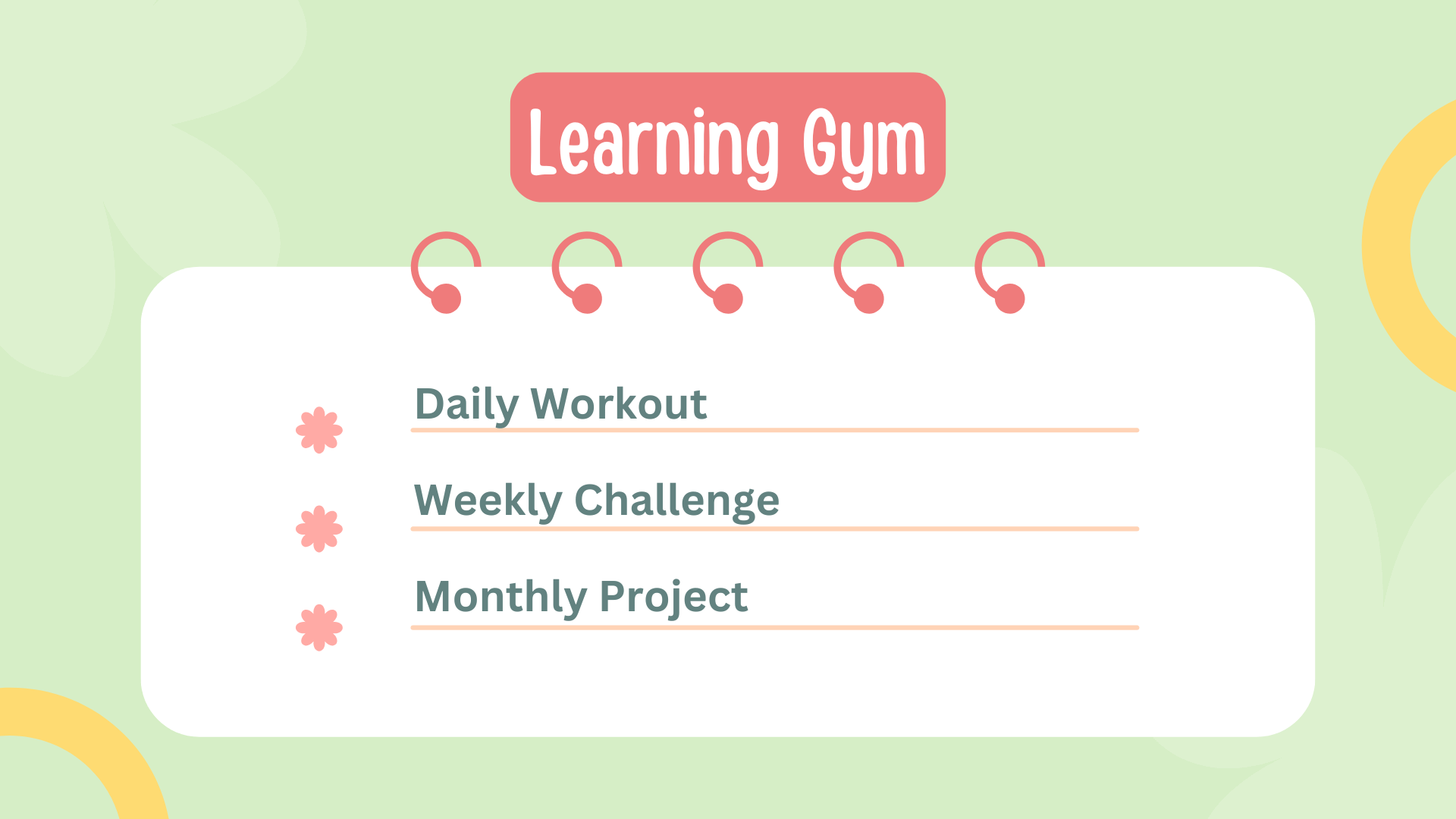
The Daily Workout
Start small. Pick one new thing to learn each day. It doesn't have to be huge:
A new keyboard shortcut
A different way to organize your tasks
A basic phrase in a new language
The point isn't becoming an expert – it's building the habit of embracing new challenges. Think of it as CrossFit for your brain, but with less grunting and more "aha!" moments.
The Weekly Challenge
This is where you push the envelope a bit: Choose something that makes you slightly uncomfortable:
If you're in marketing, learn some basic coding
If you're in engineering, study design principles
If you're in finance, try creative writing
Remember: If you're not feeling slightly awkward, you're probably not learning anything new.
The Monthly Project
This is your learning marathon. Pick something substantial that:
Takes you out of your comfort zone
Combines multiple skills
Has practical applications
Scares you just a little bit
Document your journey. Share your progress. Make yourself accountable. (Social pressure is a powerful motivator – use it!)
Creating a Learning-Agile Organization
(Without Making Everyone Hide When They See You Coming)
Leadership That Actually Learns
Leaders need to model learning agility like it's the latest fashion trend. This means:
Admitting when you don't know something (gasp!)
Sharing your learning journey, struggles and all
Making "I don't know, but I'll learn" an acceptable answer
Celebrating learning victories as much as business wins
The Culture Shift
Transform your workplace into a learning playground:
Create skill-sharing sessions (but make them fun, not forced)
Start learning circles (think book club, but for skills)
Encourage cross-department training
Make learning victories as celebrated as sales wins
Measuring Learning Agility
(Without Making Everyone Hate Metrics)
Personal Indicators
You know you're getting more learning-agile when:
Your response to new challenges shifts from "I can't" to "I can't yet"
You start seeing patterns everywhere (sometimes in your sleep)
Your comfort zone starts feeling uncomfortably small
You find yourself excited about problems you don't know how to solve
Team Indicators
Your team is developing learning agility when:
People volunteer for unfamiliar projects
"I don't know how to do that... yet" becomes a common phrase
Learning stories become part of team conversations
Cross-functional collaboration happens naturally, not forcefully
Hiring for Learning Agility
(Because "Are You a Quick Learner?" is the Worst Interview Question Ever)
Questions That Actually Work
Instead of the usual "Tell me about a time you learned something new," try these:
"What did you learn last week that surprised you?"
Look for: Enthusiasm about learning, not just the content
Red flag: "Nothing really new happened" or "Everything in my field is pretty stable"
"How would you learn a completely new skill in 48 hours?"
Look for: Strategy and resourcefulness
Red flag: "I'd take a course" (and nothing else)
"What's the most unusual connection you've made between two different skills?"
Look for: Creative thinking and pattern recognition
Red flag: "I keep my skills separate and organized"
The Future Belongs to the Learning-Agile
(No Pressure, Though)
In a world where AI handles knowledge and information processing, our uniquely human ability to learn, adapt, and make unexpected connections becomes our competitive advantage. Learning agility isn't just another corporate buzzword – it's our survival trait in the AI age.
The question isn't whether you need to develop learning agility. The question is: How many new skills have you started learning while reading this article?
P.S. If your brain feels slightly uncomfortable after reading this, congratulations! That's just your neuroplasticity doing push-ups.
This article is part of our "Essential Skills for the AI Age" series, exploring the critical capabilities that will define successful professionals in the era of artificial intelligence. No brain cells were permanently damaged in the writing of this article, though several were thoroughly challenged.